
On January 22, the Center for Latino/a and Latin American Studies hosted a special event celebrating the preview of the “Necroarchivos de las Americas” catalogue. The event featured faculty members Dr. Adriana Miramontes Olivas, Dr. Gabriela Martínez, and Dr. Lynn Stephen, who shared their insights into the catalogue’s content. Key Takeaways from the Presentations:
Documenting Communities in Motion
Dr. Stephen opened with reflections on her decades of scholarship in immigration and asylum, gender violence, transborder Latinx communities, and Mesoamerican Indigenous diasporas across Mexico, Guatemala, California, and the U.S. Northwest. Her current projects include:
-
Access to justice for survivors of gender violence
-
The impact of COVID-19 on farmworker health and well-being
-
Mapping Mesoamerican Indigenous languages and communities in U.S. diasporas
As Stephen explained, her commitment is to research that reaches beyond academia: “I have a strong commitment to projects that produce findings accessible to the wider public,” she said, noting that her work includes films, websites, and scholarly publications. She also serves as an expert witness in immigration and gendered asylum cases, translating scholarship into legal advocacy.
Curating Borderlands and Memory
Next, Dr. Miramontes Olivas presented her work at the Jordan Schnitzer Museum of Art. Her research and curatorial practice focus on contemporary art from the U.S.-Mexico borderlands, feminist visual culture, and the disappeared in the Americas.
“Art can evoke the disappeared in ways archives cannot,” she noted, underscoring how visual culture becomes a site of resistance and remembrance. Her publications span peer-reviewed journals, including UO’s Periphērica, Chamisa: University of New Mexico’s Journal of Literary Performance and Visual Arts, and collections on Latin American visual culture at the University of California.
Archives, Media, and Testimony
Dr. Martínez closed the panel by highlighting the role of media and archival work in amplifying stories of displacement, survival, and cultural resilience. An award-winning documentary filmmaker, Martínez has produced and directed more than 15 films on Indigenous cultures, social movements, human rights, and gender issues across the Americas.
“My work aims at influencing cultural understanding, policy challenges, and social transformation,” she explained. Her remarks emphasized how collaborative archives and films allow communities to narrate their own histories, challenging dominant narratives and reframing whose voices are heard.
Looking Ahead
The conversation underscored CLLAS’s mission to bridge scholarship and community. From Stephen’s advocacy in legal and public spaces, to Miramontes Olivas’s curatorial storytelling, to Martínez’s media and archival practice, the panel demonstrated how interdisciplinary research and art can preserve memory and expand justice.
About the Presenters
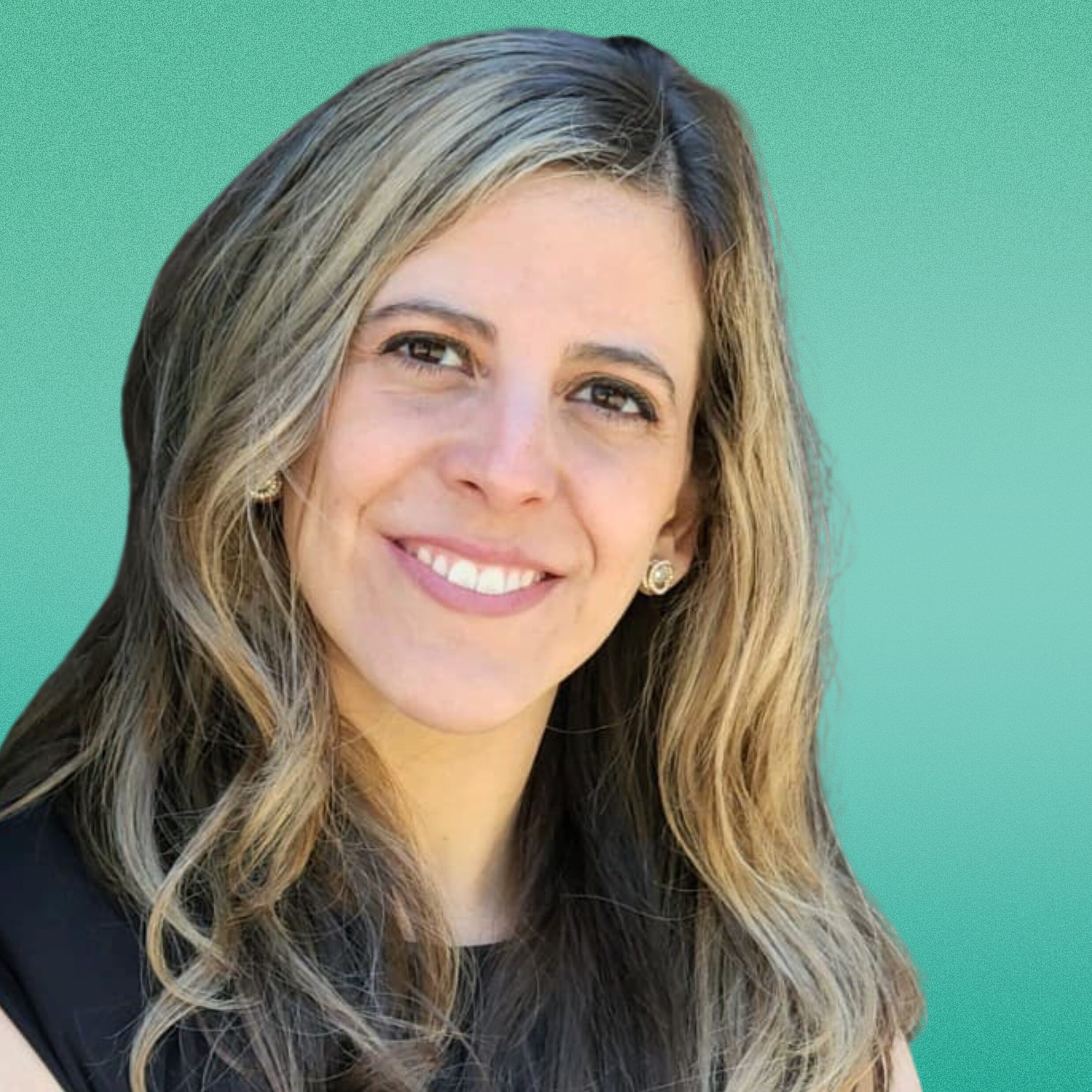
Adriana Miramontes Olivas
Curator of Academic Programs and Latin American & Caribbean Art
Dr. Adriana Miramontes Olivas is the Curator of Academic Programs and Latin American & Caribbean Art at University of Oregon’s Jordan Schnitzer Museum of Art (JSMA). Her educational background includes, BA in Art from the University of Texas at El Paso, MA in Art History from the University of Texas at San Antonio, and a PhD in Art History at the University of Pittsburgh. Within her role as a curator at JSMA, she works on creating an engaging Latinx community on and off campus. Her work involves curating Latin American art, which is one of the largest and fastest growing art collections in the museum.
adriana1@uoregon.edu
Gabriela Martínez
Professor of Journalism and Communications
Professor Gabriela Martínez is an award-winning documentary filmmaker and scholar specializing in international communication and the political economy of communication. Her documentary work spans over 12 films, including “Ñakaj,” “Mamacoca,” and “Keep Your Eyes On Guatemala.” Martínez’s research focuses on media ownership, culture, and trans-nationalism, with a particular emphasis on Latin America. She is a professor in the School of Journalism and Communication at the University of Oregon and affiliated faculty with several programs, including Latin American Studies and Cinema Studies. Martínez is also the co-creator of the Latino Roots in Oregon Project and has served as director for the Center for Latino/a and Latin American Studies.
gmartine@uoregon.edu
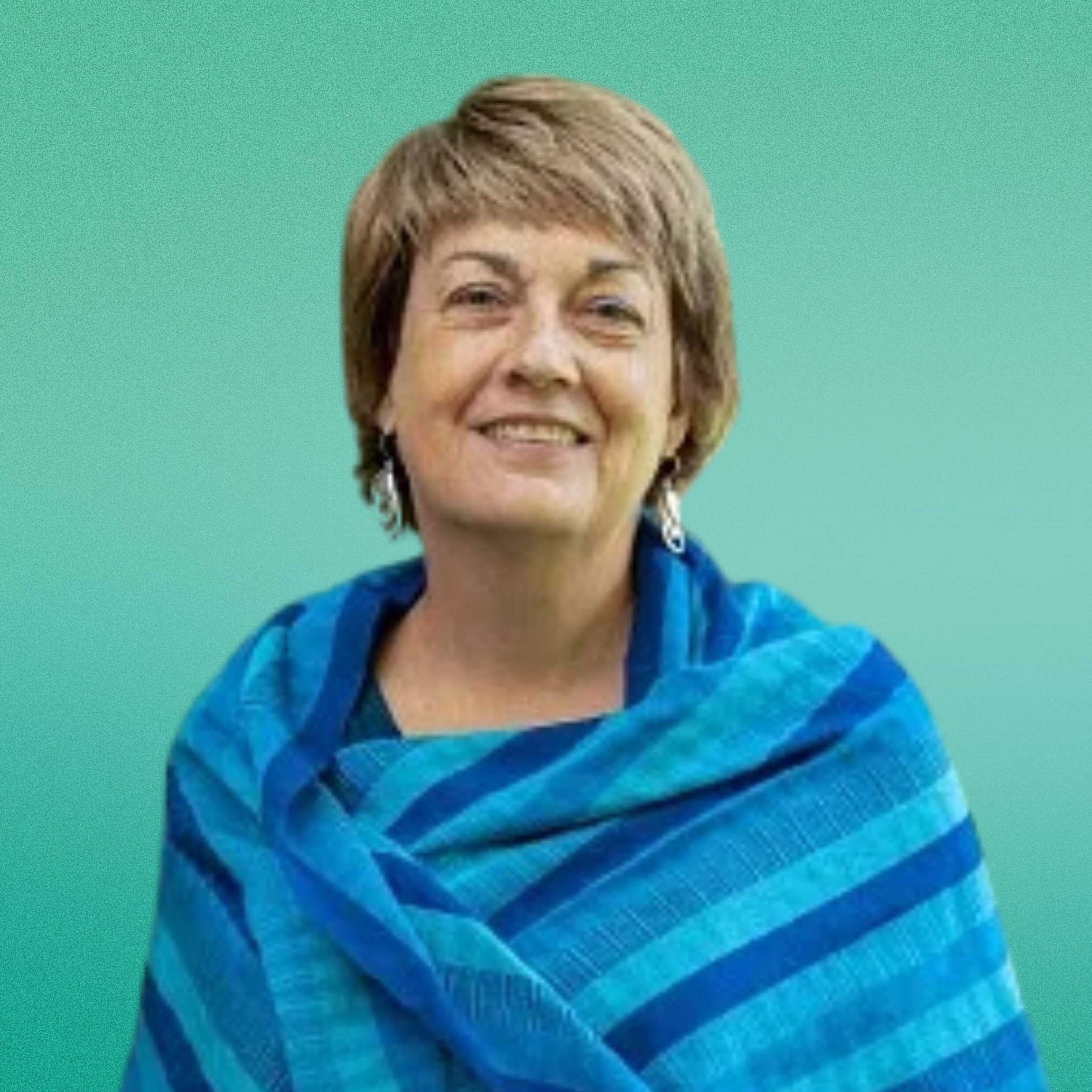
Lynn Stephen
Professor of Anthropology
stephenl@uoregon.edu