
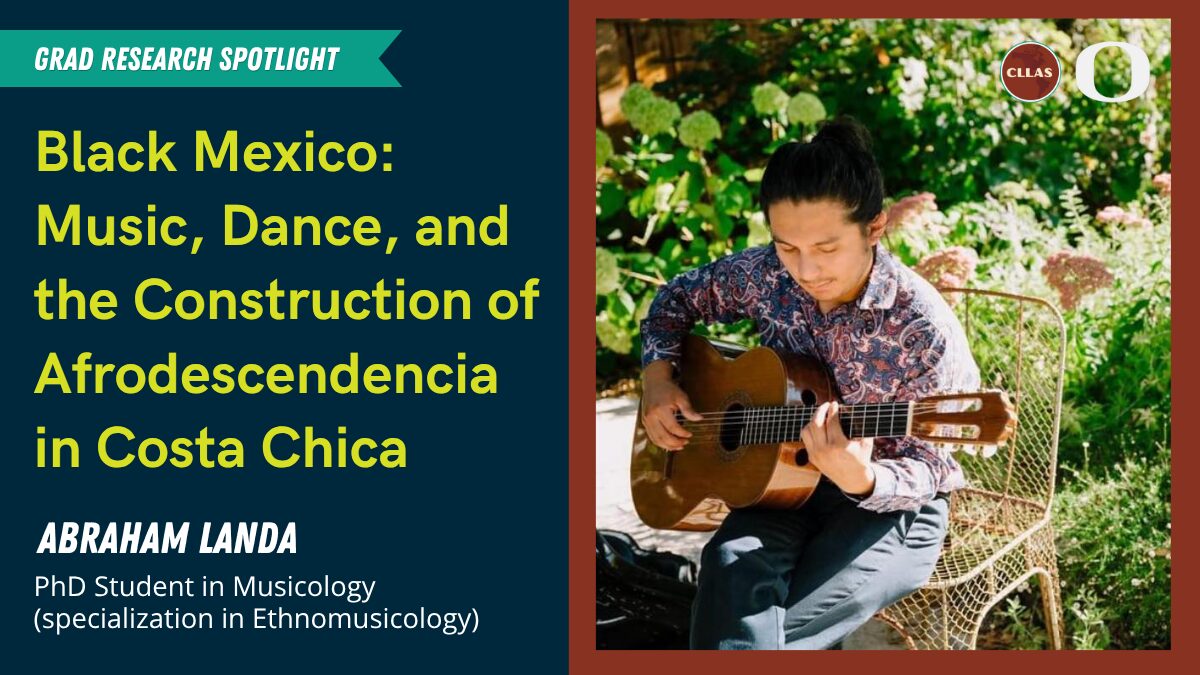
By Abraham Landa, 2024 CLLAS Graduate Grantee
PhD Student in Musicology (specialization in Ethnomusicology)
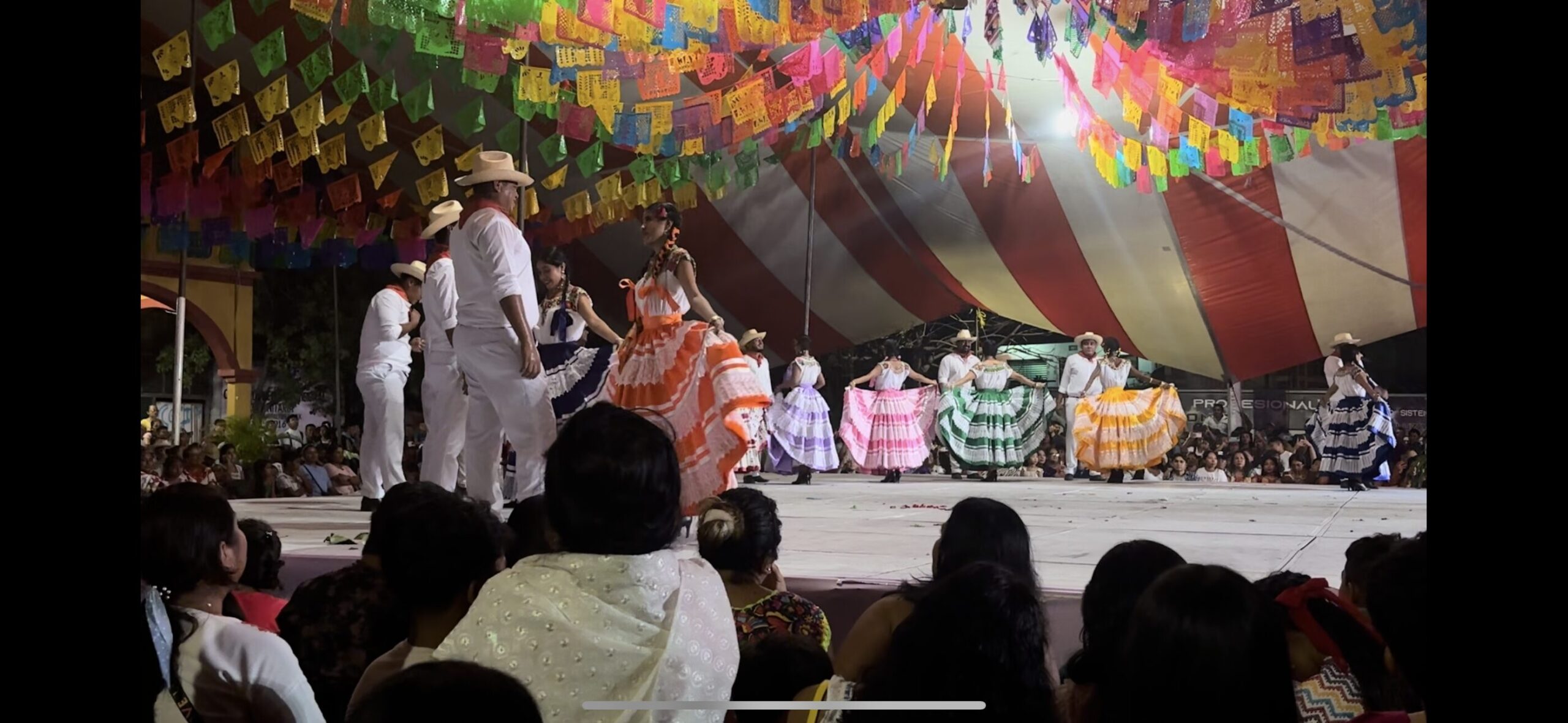
Thanks to the support of CLLAS, I was able to complete preliminary fieldwork for my dissertation, Black Mexico: Music, Dance, and the Construction of Afrodescendencia in Costa Chica, and successfully advance to PhD candidacy. This research, which explores how Afro-Mexican communities in the Costa Chica region use music and dance to assert cultural identity, was made possible by the funding I received through the CLLAS Graduate Student Research Grant. The grant enabled me to spend the summer of 2024 conducting interviews, attending festivals, and documenting performances in both urban and rural areas of Oaxaca and Guerrero.
“One of the most memorable aspects of the research was witnessing how music and dance serve as platforms for articulating Blackness and belonging in a region where Afro-descendant identity has often been marginalized.”
The CLLAS grant was pivotal in helping me clarify the scope and direction of my dissertation. The experience not only deepened my understanding of the cultural forms I study, but also helped me build meaningful relationships with artists, cultural organizers, and local institutions. These connections were instrumental in shaping my dissertation proposal and in refining my methodology, which combines ethnographic fieldwork, archival research, and performance analysis
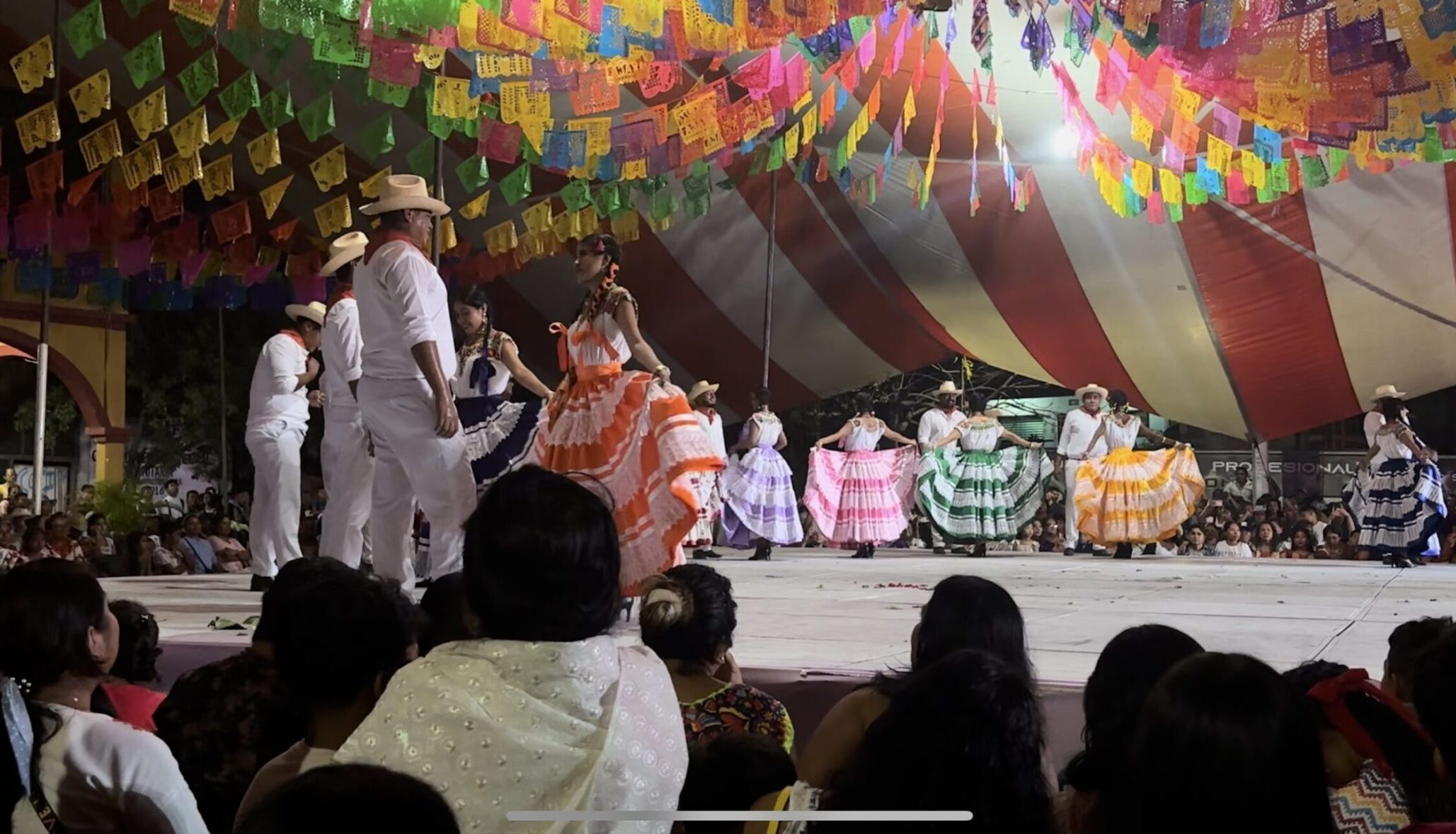
One of the most memorable aspects of the research was witnessing how music and dance serve as platforms for articulating Blackness and belonging in a region where Afro-descendant identity has often been marginalized. From community festivals to drag performances incorporating traditional chilenas, I saw firsthand how cultural expression becomes a site of memory and resistance. Engaging with these layered performances helped me reconsider prevailing narratives about national identity in Mexico and foreground Afro-Mexican voices in academic and public discourse.
“I saw firsthand how cultural expression becomes a site of memory and resistance.”
I am especially grateful for the flexibility and encouragement that CLLAS offered throughout the research and presentation process. I hope that my research will contribute to raising awareness of the complex histories of Afro-Mexican communities and help support ongoing struggles for recognition and social justice in Mexico. By documenting and analyzing cultural practices that are often overlooked or folklorized in national narratives, I aim to amplify voices from the Costa Chica and highlight the intellectual and artistic contributions of Afrodescendant communities in the region.
I would like to thank my dissertation advisor, Dr. Juan Eduardo Wolf, for his mentorship and guidance, as well as my interlocutors in Costa Chica who generously shared their time and stories with me. I am also deeply appreciative of the Center for Latino/a and Latin American Studies for believing in the importance of this project and for supporting emerging scholars.
“I aim to amplify voices from the Costa Chica and highlight the intellectual and artistic contributions of Afrodescendant communities in the region.”
About Abraham Landa

Abraham Landa is a Ph.D. candidate in Musicology at the University of Oregon whose work centers on the music and dance traditions of Afro-descendant communities in Mexico’s Costa Chica region. His research explores how performances such as danza de los diablos and chilena shape contemporary expressions of afrodescendencia, cultural identity, and political recognition in Mexico.
Abe brings a strong ethnomusicological foundation to his fieldwork, supported by coursework in decolonizing music, global arts and culture, and folklore methodologies. A fluent Spanish speaker with family ties to Acapulco, he has prior experience in the region and has developed relationships with community organizations such as México Negro A.C. that inform his current work.