As classrooms across the country navigate heightened political polarization, misinformation, and evolving concerns about surveillance and safety, faculty and graduate instructors are asking urgent questions: How do we teach controversial topics well? How do we protect students and ourselves? And how do we keep classrooms grounded in respectful, evidence-based learning—especially when the stakes feel higher than ever?
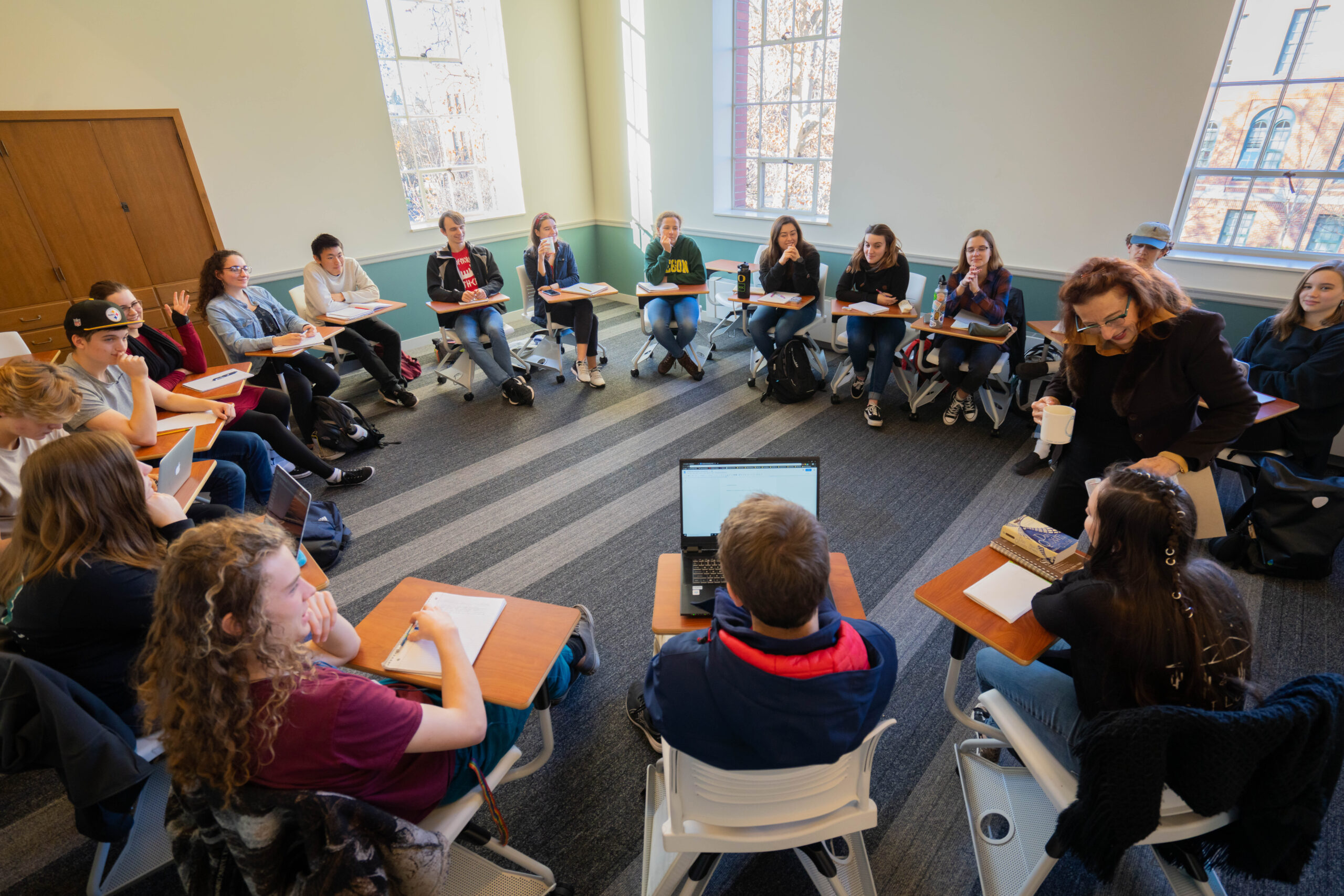
To support instructors in this moment, the Center for Latino/a and Latin American Studies (CLLAS) hosted an interactive virtual professional development conversation focused on teaching and learning in today’s climate. The session was led by the Teaching Engagement Program (TEP) and featured participation from Dean of Students Dr. Jimmy Howard, bringing together faculty, graduate employees, and campus partners to share strategies, clarify institutional policies, and build a stronger sense of community around the real challenges educators are facing.
Participants discussed everything from classroom discussion norms and student walkouts to the rise of AI-enabled recording and note-taking tools—while returning again and again to a central theme: learning happens best when students feel both intellectually challenged and relationally supported.
Moving Beyond the “Myth of Objectivity”
A major thread of the conversation focused on the idea of “objectivity” in teaching—especially in courses that address culture, power, identity, and global politics. Participants reflected on the reality that instructors bring perspectives and lived experiences into the classroom, and that students rarely assume instructors are neutral to begin with.
The group explored what it can mean to show up authentically—while still teaching with rigor, evidence, and care. Vulnerability, participants noted, can be powerful, but it also carries risk in the current climate. That tension—between openness and safety—was present throughout the session.
Practical Guidance: What Policies Support Instructors?
Because so many questions were about safety, reporting, and institutional expectations, the session also created space for “what do I do if…” scenarios.
A key topic was classroom recording. Participants discussed policies that restrict recording without instructor permission (with limited exceptions for certain accessibility accommodations), while also acknowledging a difficult reality: recording is easier than ever, and instructors are increasingly aware that classroom comments can be captured, shared out of context, or amplified online.
Rather than encouraging fear, the session emphasized clarity: instructors can set expectations through syllabi and classroom norms, while also practicing careful framing and documentation strategies that protect learning and minimize risk.
Student Walkouts, Disruption, and Classroom Accountability
Another question surfaced quickly: if students leave a lecture because they disagree with course content, is that misconduct?
The consensus was that walking out alone isn’t necessarily a conduct issue—but disruption that prevents others from learning is different. Participants discussed the value of clear syllabus language and participation expectations, including professionalism rubrics and engagement standards that can be applied consistently and defensibly.
The takeaway: instructors don’t need to “win” every conflict in the moment, but they can build course structures that support productive dialogue and create accountability when students opt out of engagement.
What’s Working: Teaching Practices Shared by Faculty and GEs
One of the most energizing parts of the session was the exchange of practical teaching strategies. Participants shared approaches they are already using to support students and keep discussion spaces constructive:
-
Norm-setting on day one (and revisiting norms regularly)
-
Modeling discussion practices with tools like sentence starters, “do/don’t” lists, or fishbowl discussions
-
Giving students clear frames for difficult conversations—naming what the conversation is for, and what it is not
-
Providing private processing options like ungrouped reflections or short freewrites, giving students space to reflect without public pressure
-
Letting students bring in current events or media examples, so controversial topics arise through student choice rather than instructor pressure
These strategies all emphasized the same principle: students need both structure and trust to engage honestly with complex topics.
Misinformation and Media Literacy in 2026
Participants also named misinformation as one of the most urgent classroom challenges. With AI-generated content, manipulated media, and politically motivated narratives circulating widely, instructors shared ways to teach verification as a habit rather than debating claims in real time.
Suggestions included building course “resource pages” with fact-checking tools and bias mapping, and explicitly teaching how scholarly research works—what counts as evidence, what expertise looks like, and how disciplinary knowledge is produced over time.
Supporting Students Under Heightened Risk
The session also addressed student vulnerability—especially for students from immigrant and mixed-status families, undocumented students, and those who may feel targeted in the current political environment.
Participants emphasized that instructors don’t have to carry these concerns alone. The conversation highlighted the importance of connecting students to appropriate campus and community resources, and of using supportive check-ins that communicate care without increasing risk through unnecessary documentation.
Why This Matters: CLLAS as a Hub for Community-Engaged Professional Development
CLLAS’s work has always been about more than events—it’s about creating spaces where learning can happen with depth, courage, and responsibility. This professional development conversation reflected that mission by bringing people together to address the real conditions shaping education right now.
In a moment when teaching can feel isolating—especially for instructors from minoritized backgrounds or those teaching politically sensitive content—CLLAS is proud to help build a supportive network that strengthens instruction, supports student learning, and affirms the importance of academic freedom and community care.
CLLAS will continue offering professional development opportunities that help educators navigate challenging topics with clarity, confidence, and compassion.
Key Takeaways from the Session
-
Clear discussion norms and framing improve difficult conversations
-
Syllabi and rubrics can support accountability when conflict emerges
-
Recording policy matters, but so does the reality of new technology
-
Media literacy and verification practices are essential in 2026
-
Support networks and reporting tools help instructors respond to safety concerns
Closing CTA
Want to collaborate with CLLAS on a future training or teaching support session? Contact us at cllas@uoregon.edu or follow @uocllas on social media for upcoming events and professional development opportunities.