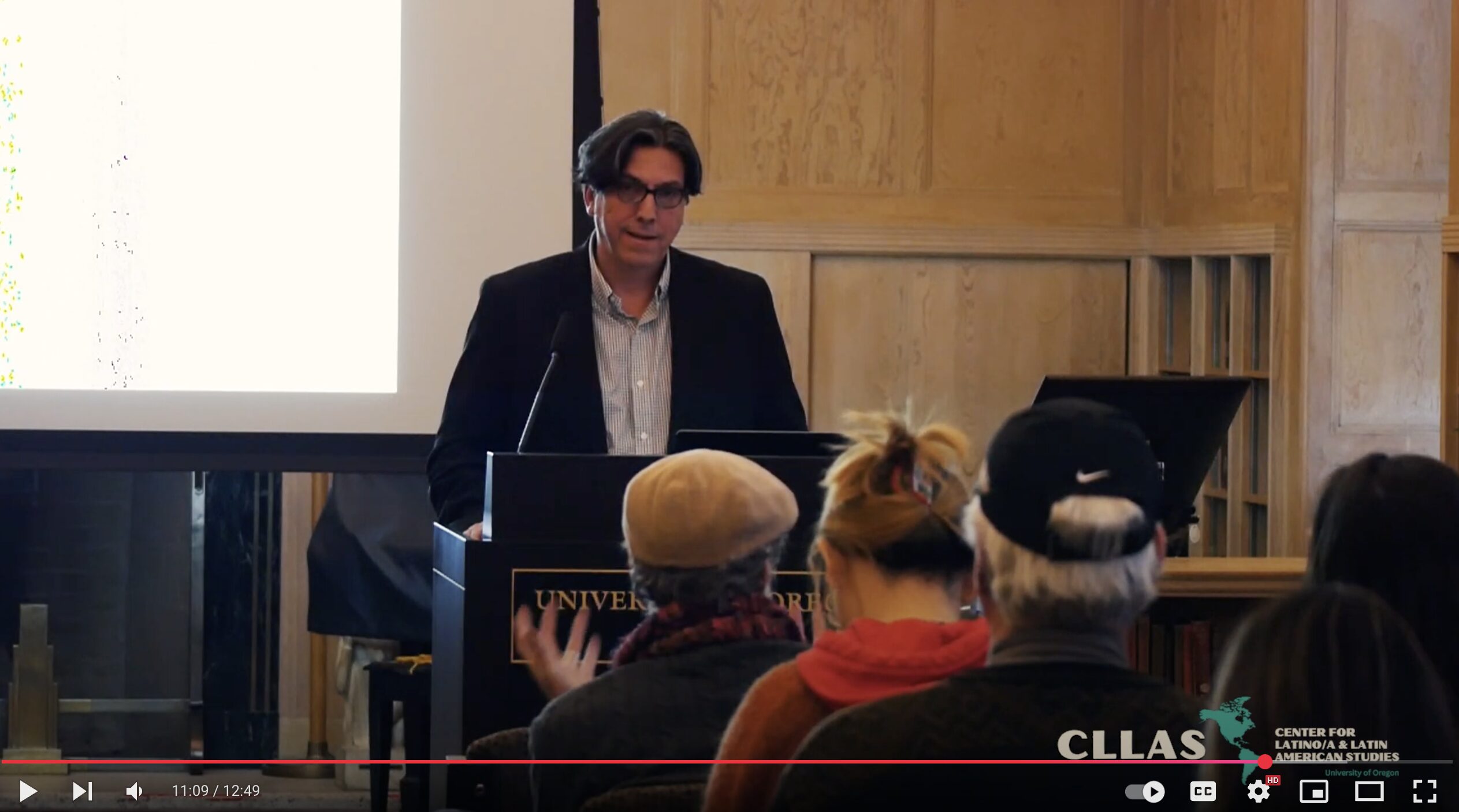
As the director of the Center for Latina/o and Latin American Studies (CLLAS), I want to begin by acknowledging the challenges our community has faced this past year. We enter the new academic year with uncertainty, yet also with resilience and determination. Despite these obstacles, CLLAS remains committed to our mission: funding, supporting, and promoting scholars from across campus. This work challenges us, broadens our perspectives, and pushes for positive change.
Among last year’s highlights was our Latinidades and Indigeneities Symposium, which brought together scholars from across the country to share work on migration, Indigenous experiences, and the evolving significance of Latinx identities. We also hosted a discussion with National Public Radio (NPR) on Preserving Latinx Stories, and sponsored research presentations on topics ranging from Guatemalan Maya women in Oregon, to Afrodescendencia in Mexico, to Andean women’s narratives of resistance, to Chicana lesbi-queer feminisms. These events showcased the vibrancy of our community and the reach of Latinx and Latin American Studies.
We also welcomed eleven new faculty members hired as part of the College of Arts and Sciences’ Latinx cluster hire. We believe these colleagues will have a profound impact, and CLLAS has created spaces for them to collaborate and share their research.
For the broader community, we organized a book publishing workshop with editors from the University of Arizona Press and Duke University Press, who guided faculty and students in transforming manuscripts into book projects. For graduate students preparing for the academic job market, we hosted a workshop designed to demystify the hiring process and provide essential tools for success. Our goal has been to ensure that our scholarly community is positioned to thrive.
We ended the 2024–25 academic year by celebrating our undergraduate students. Their research and creativity inspire me. By asking critical questions and asserting their voices, they push us all toward imagining a more equitable and just society.
This work comes at an important moment. Last year, a task force was convened to move the University of Oregon toward becoming a Hispanic Serving Institution (HSI). I will continue to serve on the HSI task force this year, with CLLAS playing an important role in supporting faculty and students.
At the same time, we face a national climate where research funding is less reliable, supporting international students is more difficult, and even asking questions about Latinx identity has become politicized. Yet I remain heartened by the community we are building.
Our faculty and students thrive because of the support they receive from across campus. I want to thank the College of Arts and Sciences, the Office of Diversity, Equity, and Inclusion, and the Office of the Provost for their partnership. I am especially grateful to Dr. Erin Beck, our associate director, as well as Eli Meyer, Janice Daniels, and the members of our Executive Board. None of this work would have been possible without their dedication and support.
Sincerely,
Christopher Chávez
About Chris
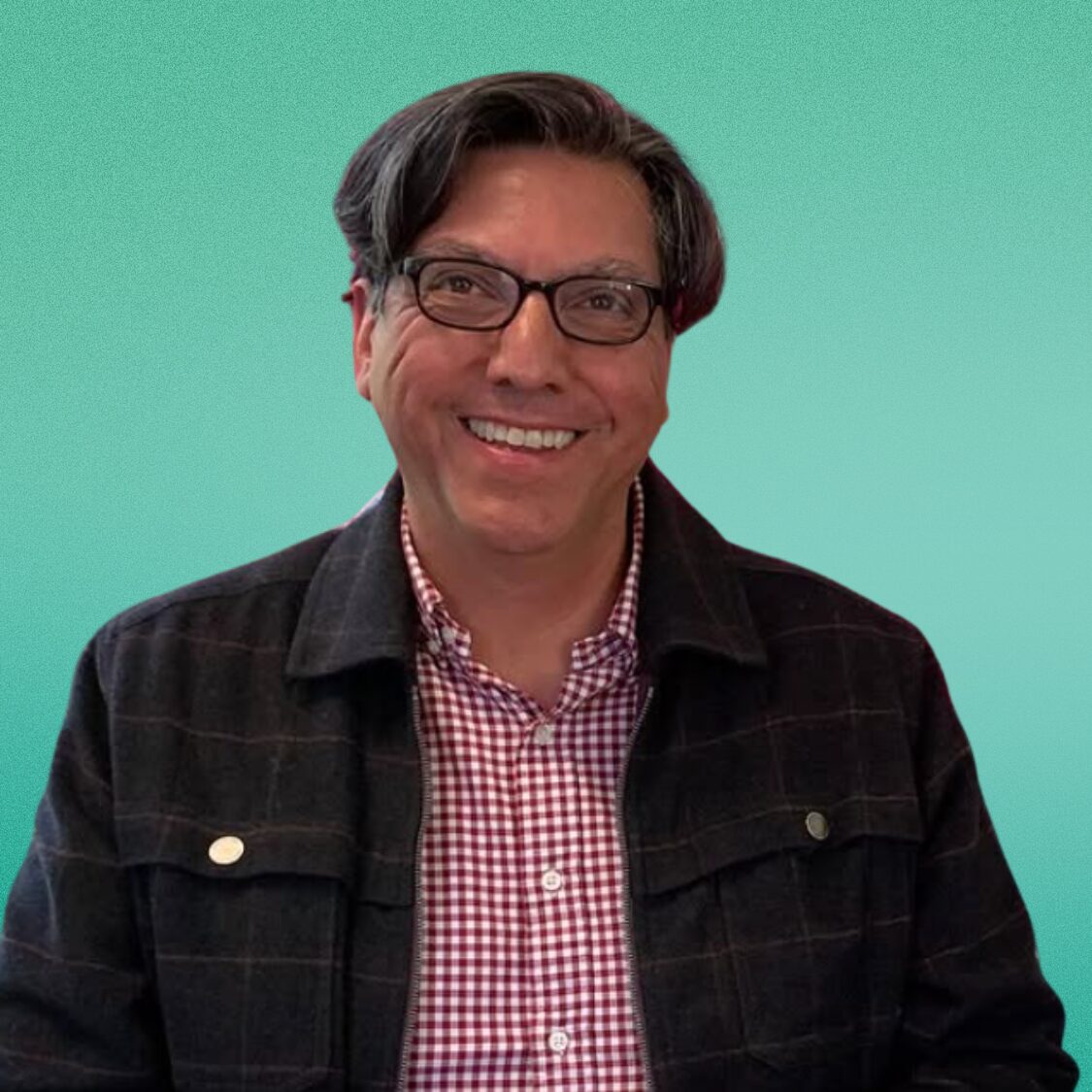
Christopher Chávez, CLLAS Director
Christopher Chávez (PhD, University of Southern California) is the Carolyne S. Chambers Distinguished Professor of Advertising and Director of the Center for Latina/o and Latin American Studies (CLLAS) at the University of Oregon. Based in the School of Journalism and Communication, Chris research focuses on the intersection of globalization, media and culture. Chris is the author of Reinventing the Latino Television Viewer: Language Ideology and Practice (2015), The Sound of Exclusion: NPR and the Latinx Public (2021), and the forthcoming Isle of Rum: Havana Club, Cultural Mediation, and the Fight for Cuban Authenticity (2024).